Casino game design is a complex process that involves understanding human psychology and behavior. Game developers use various techniques to create an engaging and immersive experience that keeps players coming back for more. In this article, we will explore the psychology behind casino game design and how it affects player behavior.
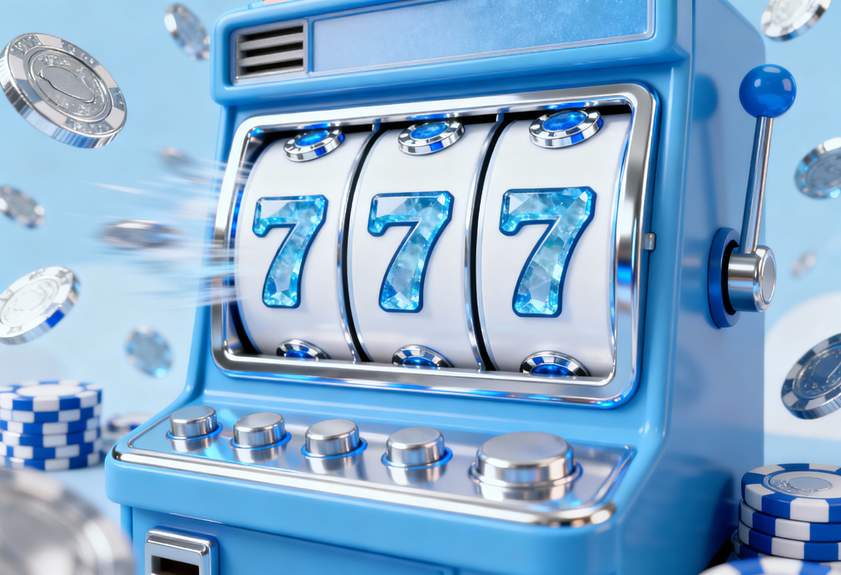
One of the key elements of casino game design is the use of sensory elements to create a stimulating environment. Bright colors, fast-paced sounds, and tactile feedback are all used to attract attention, stimulate excitement, and create a sense of urgency. For example, the flashing lights on slot machines and the vibrant table game layouts are designed to grab the player’s attention and draw them in.
The Science of Sensory Overload: Visuals and Sounds
The use of sensory elements in casino game design is not just about creating a visually appealing environment, but also about manipulating the player’s emotional state. Research has shown that the use of bright colors and fast-paced sounds can increase the player’s heart rate and arousal levels, making them more prone to impulsive decisions. The following table illustrates the different sensory elements used in casino game design and their psychological effects:
| Sensory Element | Psychological Effect | Example in Casino Games | Impact on Player Behavior |
|---|---|---|---|
| Bright Colors | Attract attention, stimulate excitement | Flashing lights on slot machines, vibrant table game layouts | Increased engagement, impulsive decisions |
| Fast-Paced Sounds | Heighten arousal, create a sense of urgency | Upbeat music, winning jingles, reel spinning sounds | Faster gameplay, reduced perception of time |
| Tactile Feedback | Provides a sense of control and reward | Buttons on slot machines, the feel of chips | Increased engagement, sense of ownership |
| Near Misses | Creates anticipation and the illusion of almost winning | Reels stopping just short of a jackpot, bonus symbols nearly aligning | Encourages continued play, fuels the “gambler’s fallacy” |
| Olfactory Cues | Creates a comfortable and inviting environment | Strategically placed scents, clean air | Increased comfort and willingness to stay longer |
Variable Ratio Reinforcement: The Key to Habit Formation
Another key element of casino game design is the use of variable ratio reinforcement schedules. Research has shown that variable ratio reinforcement schedules are the most effective way to create habit formation and encourage repeated behavior. This is because they create a sense of anticipation and uncertainty, making the player more likely to continue playing in the hopes of receiving a reward.
Understanding Reinforcement Schedules
Reinforcement schedules refer to the way in which rewards are delivered to the player. There are several different types of reinforcement schedules, including fixed ratio, variable ratio, and fixed interval. Variable ratio reinforcement schedules are the most effective way to create habit formation, as they create a sense of anticipation and uncertainty.
Variable Ratio: The Most Addictive Schedule
Variable ratio reinforcement schedules are the most addictive because they create a sense of anticipation and uncertainty. The player is never sure when they will receive a reward, making them more likely to continue playing in the hopes of receiving one. Casinos use variable ratio reinforcement schedules to create a sense of excitement and anticipation, making the player more likely to continue playing.

Cognitive Biases Exploited in Casino Games
Casino games also exploit cognitive biases to encourage players to continue playing. Cognitive biases refer to the systematic errors in thinking and decision-making that people make. For example, the gambler’s fallacy is the belief that a random event is more likely to happen because it has not happened recently. Casinos exploit this bias by creating games that appear to have patterns or streaks, making the player more likely to continue playing.
The Gambler’s Fallacy: Believing in Streaks
The gambler’s fallacy is a common cognitive bias that casinos exploit. Research has shown that people are more likely to believe in streaks and patterns, even when they are not actually present. Casinos create games that appear to have patterns or streaks, making the player more likely to continue playing.
The Role of Social Factors and Game Mechanics
Social factors and game mechanics also play a role in casino game design. Poker games, for example, create a sense of competition and social interaction, making the player more likely to continue playing. Loyalty programs and rewards systems also encourage players to continue playing, by providing them with rewards and incentives.
Competition and Social Interaction in Poker
Poker games create a sense of competition and social interaction, making the player more likely to continue playing. Research has shown that social interaction and competition can increase the player’s sense of engagement and enjoyment, making them more likely to continue playing.
Ethical Considerations: Responsible Game Design
Finally, casinos must consider ethical considerations when designing games. Responsible game design refers to the creation of games that are fair, transparent, and do not exploit players. Casinos must ensure that their games are designed to prevent problem gambling and provide players with the tools and resources they need to gamble responsibly.
Transparency and Fair Play
Casinos must ensure that their games are transparent and fair. This means providing players with clear and concise information about the game, including the rules, odds, and payout structures. Casinos must also ensure that their games are fair and unbiased, and that players have an equal chance of winning.
For more information on responsible game design and to play casino games responsibly, visit houseojackcasino.com.
FAQ
Why are casino games so addictive?
Casino games are designed to be addictive, using various techniques such as variable ratio reinforcement schedules and cognitive biases to encourage players to continue playing.
How do casinos use psychology to keep people playing?
Casinos use psychology to keep people playing by exploiting cognitive biases, creating a sense of anticipation and uncertainty, and providing rewards and incentives.
What is the “near miss” effect and how does it work?
The “near miss” effect refers to the creation of anticipation and the illusion of almost winning, making the player more likely to continue playing. This is achieved through the use of near misses, such as reels stopping just short of a jackpot or bonus symbols nearly aligning.
Can I really improve my odds of winning at casino games?
While there are some strategies that can improve your odds of winning at casino games, the house edge is always built-in, making it impossible to guarantee a win.
What can I do to gamble responsibly?
To gamble responsibly, set a budget, stick to it, and never chase losses. Also, take regular breaks and seek help if you think you may have a problem with gambling.